How to Build a $1,000 Emergency Fund From Zero
The first thousand is the hardest and the most important. A 90-day plan that doesn't require a raise.
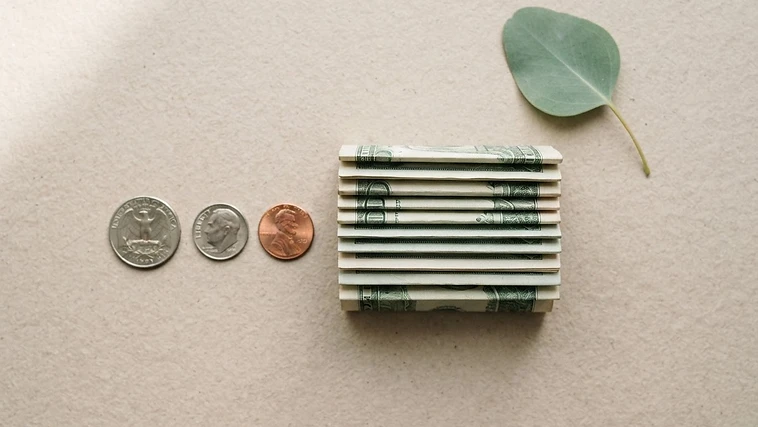
$1,000 in 90 days
Savings target
Why the first thousand matters
A $1,000 buffer covers 80% of unexpected expenses — a flat tire, a medical copay, a phone replacement. It's the difference between an inconvenience and debt.
The 90-day math
$1,000 in 90 days is about $11 a day, or $78 a week. That's achievable without a lifestyle overhaul.
1. Automate before you see it
Set up a transfer of $78 to a separate savings account every payday. If the money never hits your checking, you don't miss it.
2. Trim three recurring expenses
Audit your subscriptions. Cancel two you forgot you had and downgrade one. The average person finds $40–60/month here.
3. The 24-hour rule on wants
Any non-essential purchase over $30 waits 24 hours. Half the time, you forget you wanted it.
4. Sell five things
Look around for items worth $20+ that you no longer use. Marketplace listings take ten minutes and often clear $200+ in a weekend.
5. A small side income
One evening a week of freelancing, tutoring, or gig work adds $100–200/month. It's temporary — just until the fund is full.
An emergency fund isn't about the money. It's about the option to say no to debt.
Newsletter
Get new guides in your inbox
Practical how-tos, one a week. No fluff, unsubscribe anytime.
Keep reading
Related guides


9 Ways to Cut Your Grocery Bill in Half Without Coupons
Coupons are a trap. These nine habits cut the average grocery spend by 40–50% and take less effort than clipping.
Read guideHow to Save Money on Groceries Every Week
Most grocery overspending isn't about prices — it's waste, impulse buys, and shopping without a plan. Here's a weekly system that fixes all three.
Read guideHow to Negotiate Your Rent Before Renewal
Many renters assume a rent increase is fixed, but landlords often have more flexibility than they let on — especially with a reliable tenant.
Read guide